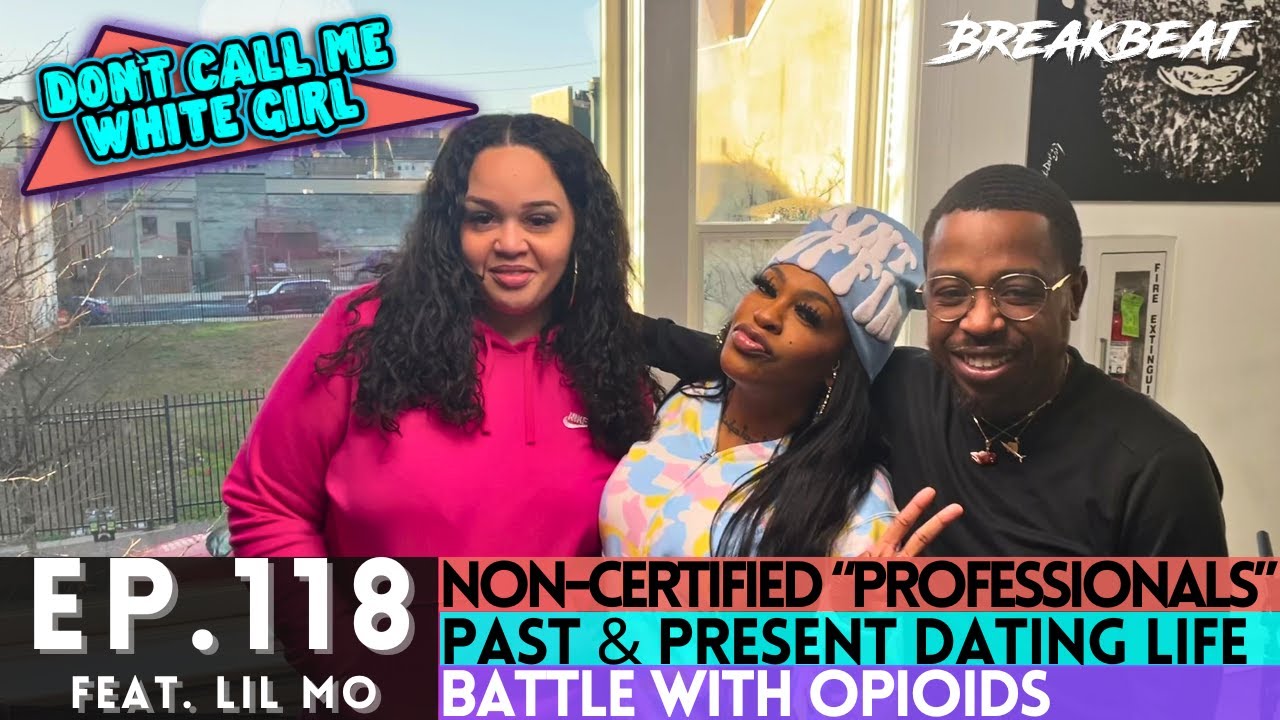
On a recent podcast, Lil Mo generously shared the invaluable gift of authenticity, offering candid insights into her life as a hip-hop star and her battle with addiction. This is a challenge that many individuals face, yet only a few dare to be transparent about.
The Journey Of Lil Mo
Cynthia Loving, widely recognized by her stage name Lil Mo, first captured the public’s attention in 2001. A true multi-talent, she excelled not only as a performer but also as a songwriter. Despite facing numerous challenges, Lil Mo persevered tirelessly to achieve the success she earned. AllMusic acknowledges,
“The welcome she received from the public and the community of music artists made the long wait worth her while.”
Throughout her noteworthy career, Lil Mo had the privilege of collaborating with renowned artists such as Missy Elliot, Jay-Z, and Ja-Rule. Her songwriting prowess extended to projects involving ODB, Keith Sweat, 3LW, and Backstreet, showcasing the breadth and depth of her contributions to the music industry.
Lil Mo’s Brave Revelation
Despite achieving notable success, Lil Mo grappled with the challenges of addiction. In a recent episode of the “Don’t Call Me White Girl” Podcast, the artist courageously opened up about her struggle. According to Lil Mo, her drug use remained a hidden struggle, with no one aware of it until she chose to speak out. In her own words,
“The only reason y’all knew I was on drugs was because I said it…”
During the candid interview, Lil Mo spared no details, providing a raw and unfiltered account of her experience. She openly discussed the reality of what awaited her upon landing before some of her performances, stating, “When I go to California when we touch down, everything was laid out — coke, pills, syrup… And I’ll get up there and sing, and you’d never know, and I’ve burnt the [expletive] out.”
Unveiling Vulnerability
Among the various topics covered in the interview, the segment on addiction emerged as the most powerful, evoking raw and profound emotions, as evidenced by the tears shed by Lil Mo. The host of “Don’t Call Me White Girl” emphasized the significance of what Lil Mo is doing, highlighting that sharing such a personal story is no small feat. Lil Mo’s narrative carries weight and influence, resonating with those who have faced similar struggles. This is crucial, given the prevalence of drug use. According to the Department of Health and Human Services in 2021,
“46.3 million people ages 12 or older (or 16.5 percent of the population) met the applicable DSM-5 criteria for having a substance use disorder in the past year.”
And sadly, in the same report, it is reported that more than 90% went without treatment.
Breaking Chains: The Power Of Shared Strength
The pervasive nature of addiction makes it a formidable challenge for many individuals. Breaking free from its grip requires not only courage but also a support system. Lil Mo’s willingness to openly share her journey becomes a source of inspiration for others facing similar battles. Sometimes, it takes individuals who have traversed such struggles and emerged stronger to tell their stories, providing others with the strength and encouragement to confront their challenges.
Lil Mo Inspires Hope For The Future
May the coming year be marked by a greater willingness to open dialogue, fostering a climate of compassion and shared humanity. Sharing personal experiences not only fosters empathy. But it also provides a sense of community and support for those facing similar struggles. It is the power of human connection and understanding that is strengthened with each narrative. And that’s something to look forward to.