

Updates
‘Enter the Wu-Tang (36 Chambers)’ by Wu-Tang Clan: Classic Review


There is no “correct” place to begin with what is potentially the most important rap album of all time. The influence, significance, and backstories behind Wu-Tang Clan’s 1993 Enter the Wu-Tang (36 Chambers) is enough to fill multiple books. 36 Chambers rewrote the possibilities of Hip-Hop, while also firmly kickstarting the East Coast Renaissance.
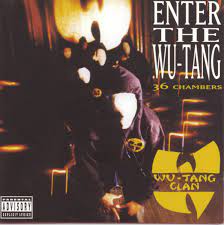
‘Enter the Wu-Tang (36 Chambers)’ album cover
36 Chambers introduced the concept of a rap crew (not to be confused with a group) to Hip-Hop. While intended as a group album, it equally served as a vehicle for each member of the Clan’s solo careers to liftoff. The personalities of RZA, GZA, Inspectah Deck, Ol’ Dirty Bastard, Ghostface Killah, Raekwon, Method Man, U-God, and Masta Killah were each completely novel to the game. With their airtight brotherhood and unmatchable talent, 36 Chambers left the world begging for more from each of them, collectively and individually.
“Watch your step, kid…”
From the moment the lead single, ‘Protect Ya Neck,’ hit the streets, everybody immediately knew the game was changed. While Rap Groups already existed, audiences had yet to hear eight MC’s with back-to-back-to-back verses, spitting with furious talent. ‘Protect Ya Neck’ continues to be one of the most pure rap songs ever recorded, with each Clan member flexing their unique abilities.

From the iconic ‘Protect Ya Neck’ video
With the hurricane hype of ‘Protect Ya Neck,’ Wu-Tang absolutely brought it to the max with their debut album. From the moment you see the opening track’s title, ‘Bring da Ruckus,’ you know that you’re absolutely in for it. While many expected each song to have all members, this inaugurated the concept of a rap crew. This means that they don’t do every song together, rather, the right ones tap in at the right time.
“Murder, taste the flame of the Wu-Tang”
The second cut, ‘Shame on a N***a‘ is most notable for being the official introduction of Ol’ Dirty Bastard to the Culture, who mans the chorus and two verses. The late legend brandishes a style never before seen in rap, demonstrating the variety of personalities that Wu-Tang establishes to the world. The importance of ODB showing off this early sets the stage for the rest of the album; it’s unpredictable and dirty, but oh so infectious.
At the third track we get ‘Clan in da Front,’ the first of two solo tracks on the album, the second being ‘Method Man.’ ‘Clan in da Front‘ showcases GZA spitting knowledge on one of the LP’s dustiest beats. This perfectly juxtaposes ODB’s performance over the fairly smooth beat from the previous track. While it may sound contradictory, these solo cuts are the essence of the Clan. The goal of the album is to introduce Wu-Tang Clan to the world while giving each MC their own distinct establishment to the game.

Method Man in his self-titled music video
‘Method Man‘ is the solo cut from none other than Method Man, winning this opportunity by beating the other Wu-Tang members in a rap battle. A fitting outcome, as Meth proceeded to become the Clan’s biggest superstar to this very day. Beyond the song, ‘Method Man’ is iconic for having what is debatably Hip-Hop’s greatest skit, “Torture.” However, that might just be second to the side-splitting “Killer Tape” skit at the beginning of ‘Wu-Tang: 7th Chamber.’
“Quick to stick my Wu-Tang sword right through your naval”
These skits give the album and the Clan a more distinct personality. Often be emulated but never bettered on many rappers subsequent projects, unless they were Clan members themselves. We’re given the opportunity to hear how they interact with each other in both funny and serious moments. In most tracks, there are snippets from Kung-Fu movies, the direct inspiration behind their aesthetic. The perfect placement of each skit/sample truly helps to give 36 Chambers its character. Skits aside, ‘Wu-Tang: 7th Chamber’ is what people came to the album looking for, featuring seven out of the nine clan members spitting with deadly focus.

Wu-Tang inspired art in Staten Island
Halfway through the album we get the impressively refreshing ‘Can It Be All So Simple/Intermission.’ This is the first track that focuses on their real lives instead of battle raps. This is also the first outing of one of Hip-Hop’s greatest unofficial duos, in Ghostface Killah and Raekwon. They reminisce of struggles, past and current, while aspiring for a brighter future. The ‘Intermission’ half is also a breath of fresh air, as Method Man explains the name of each Clan member.
The energy picks right back up immediately. The high-octane six-man cut, ‘Da Mystery of Chessboxin‘ ends with Masta Killah’s iconic verse. While it’s his only appearance on the album, it might just be his best verse ever. Following this is the brief but iconic anthem, ‘Wu-Tang Clan Ain’t Nuthing ta F’ Wit.’
“Survival got me buggin’, but I’m alive on arrival”
At the eighth track, we get one of the greatest songs in music history, ‘C.R.E.A.M.‘ Raekwon and Inspectah Deck’s verses, Method Man’s hook, and RZA’s beat are all in the highest echelon of Hip-Hop music. A heartbreakingly honest song about Rae and Deck’s struggles, it puts you in a cold setting while simultaneously warming you up. It’s an exploration of the struggles in their Staten Island lifestyles, yearning for safer lives for their families and selves. It’s gorgeous, haunting, and irresistible all at once, a musical masterpiece.

Rae in the ‘C.R.E.A.M.’ music video
Since the final track is a remix of ‘Wu-Tang 7th Chamber,’ the more official ending comes in the form of ‘Tearz.’ Though the instrumental is upbeat, RZA and Ghost each share tales about losing loved ones. While RZA’s verse is terrific, Ghost’s is particularly notable as his first of many legendary storytelling verses.
Enter the Wu-Tang (36 Chambers) is a full bore masterpiece. Beyond its endless influence, few albums in music, before or since, have had such character as this. Serving as one debut for the Wu-Tang Clan and nine debuts for each member, its a miraculous balancing act. The innovative production and sampling completely changed the East Coast and directly led to the greatest era of Hip-Hop. Appearing in Rolling Stone’s top 30 of their 500 greatest albums list, and having a cemented spot in any top five Hip-Hop album conversation, we’re more than happy to give Enter the Wu-Tang (36 Chambers) FMHipHop’s first ever diamond rating!
Enter the Wu-Tang (36 Chambers) Rating: Diamond

Click here to understand our rating system!
Written by Jason Heilbronner | Twitter: @JasonHeilbronn1


