

FM Education
The Art Of Authenticity: Uncovering The True Identity Of Wasabi, Vanilla, And Cinnamon In The United States

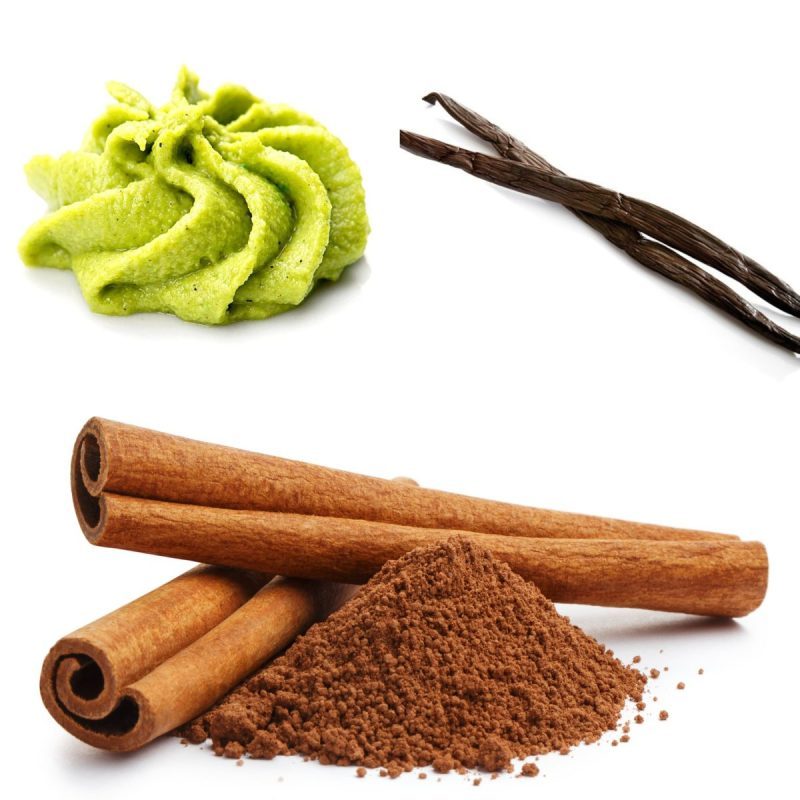
In the United States, numerous widely consumed foods include artificial or substitute components. Although some foods may be enjoyable to taste, it is crucial to understand their ingredients. For instance, wasabi and vanilla, commonly used in food, may not be authentic. The same goes for other popular flavors, such as cinnamon, as producing genuine ingredients can be expensive and time-consuming. Simply put, many foods we love may not be what we think they are.
Wasabi’s Replacement
Likely, the sushi you’ve had with the pale green, gritty, and very potent paste mixed with soy sauce isn’t authentic wasabi. According to Isaac Robertson, a personal trainer and nutrition physiologist at Total Shape, Americans typically consume a blend of horseradish and mustard powder.
“Of course, there are different quality grades, so some may have a bit of wasabi in them, but very often, there’s no wasabi,” Issac said.
The high cost of real wasabi is the primary reason for its rarity. According to Issac, “real wasabi is very, very expensive. It’s one of the most expensive things I have at home.” He acquires wasabi at a substantial price per kilogram. “I usually spend around $500 per kilogram. It’s probably because it’s difficult to cultivate.”
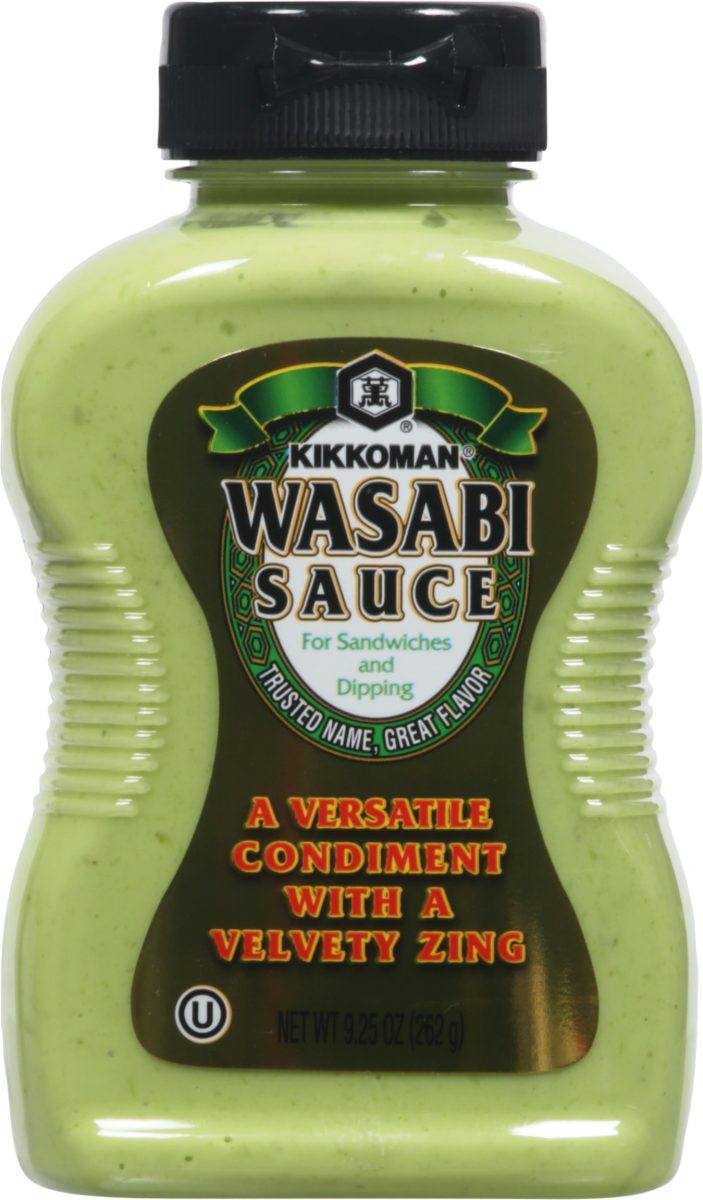
Kikkoman Wasabi Sauce (fake Wasabi.) Credit: Walmart.com
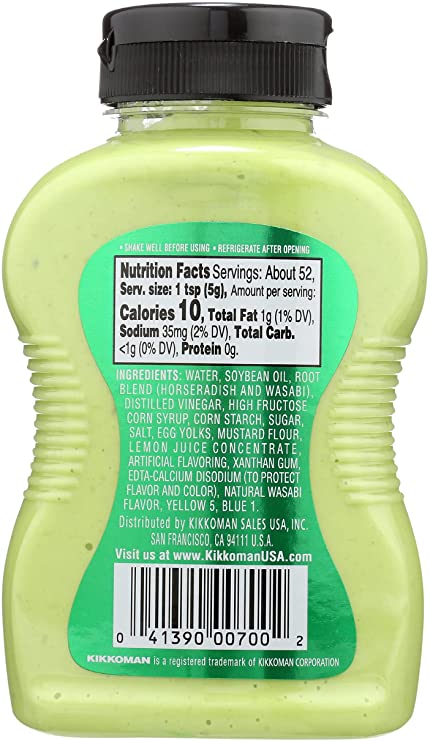
Credit: Amazon.ca
Wasabi has a more sweet, complex aroma and is a popular Japanese condiment commonly paired with sushi. It’s typically cultivated in high-altitude mountainous regions with access to fresh and continually flowing mountain water. The ideal growing conditions for wasabi include unclean environments with cooler temperatures, making it a highly sought-after crop that requires special care and attention.
“As far as I know, it can take two years before the plant matures and can be harvested. It’s quite a project.”

Real Wasabi. Credit: Hokkaido Uni Shop
Furthermore, the plant is notoriously difficult to cultivate, and it takes at least one year for the roots to mature before they can be harvested. In Japan, it’s considered a luxury item, and only a tiny amount is needed to enhance the flavor of dishes.
Issac’s Call For Education On Real Wasabi: A Wake-Up Call For Americans
According to Issac Robertson, many Americans are unaware that the wasabi they consume is not authentic. He believes this lack of communication has led to people being deceived about the true nature of this famous Japanese condiment in the U.S.
As a personal trainer and nutrition physiologist, Robertson often uses wasabi to complement fatty fish. However, he has noticed that the quality of the wasabi available in the United States can vary significantly. When the wasabi is fresh and green, it tends to have a more pronounced and flavorful taste. However, when it appears dull and lacks color, the taste tends to be less intense. This observation highlights the importance of using genuine wasabi to fully appreciate its unique flavor profile.
Real v. Fake Cinnamon: How To Identify The Genuine Spice
Contrary to popular belief, cinnamon is not a one-size-fits-all spice. There are several types of cinnamon, but only one can be considered authentic.
The type of cinnamon known as “real cinnamon” is Ceylon cinnamon, scientifically referred to as Cinnamomum verum. This particular variety is only produced in Sri Lanka, which is why it’s also known as Sri Lanka cinnamon.
While there are other types of cinnamon, such as Cassia cinnamon, Saigon cinnamon, and Korintje cinnamon, they are not considered authentic. “Ceylon cinnamon has always been considered more exclusive. In the old days, people talked about ‘real cinnamon’ being for nobility and cassia bark being for commoners,” says Isaac Robertson.

Ceylon Cinnamon. Credit: Vaamika
In addition, the personal trainer claims that “real cinnamon” has a distinctively sweeter and more complex flavor profile. While many people focus on the aroma of spices, Ceylon cinnamon’s taste is quite strong and sweet. In fact, it was once commonly used as a natural sweetener before the widespread availability of sugar. On the other hand, Cassia cinnamon has a more peppery taste, which sets it apart from Ceylon cinnamon.

Cassia Cinnamon. Credit: Adventure Kitchen
Surprising Sources Of Vanilla Flavor
If you’re a fan of vanilla-flavored treats like store-bought pudding or soft-serve ice cream, there’s a good chance you’ve unknowingly tasted vanilla derived from wood shavings. Natural vanilla is a time-intensive product to produce, contributing to its high cost.

Breyers Homemade Vanilla Ice Cream. Credit: Martin’s Foods
Interestingly, despite being the most commonly used flavor and aroma compound globally, less than 2% of vanilla is sourced from the vanilla orchid. The vanilla flavor found in many popular food products, such as chocolate and ice cream, is often artificially created using substances such as wood or oil extracted from the ocean floor. This allows for a more cost-effective and efficient method of producing the desired flavor. However, some argue that the taste of natural vanilla is unmatched and worth the added expense.
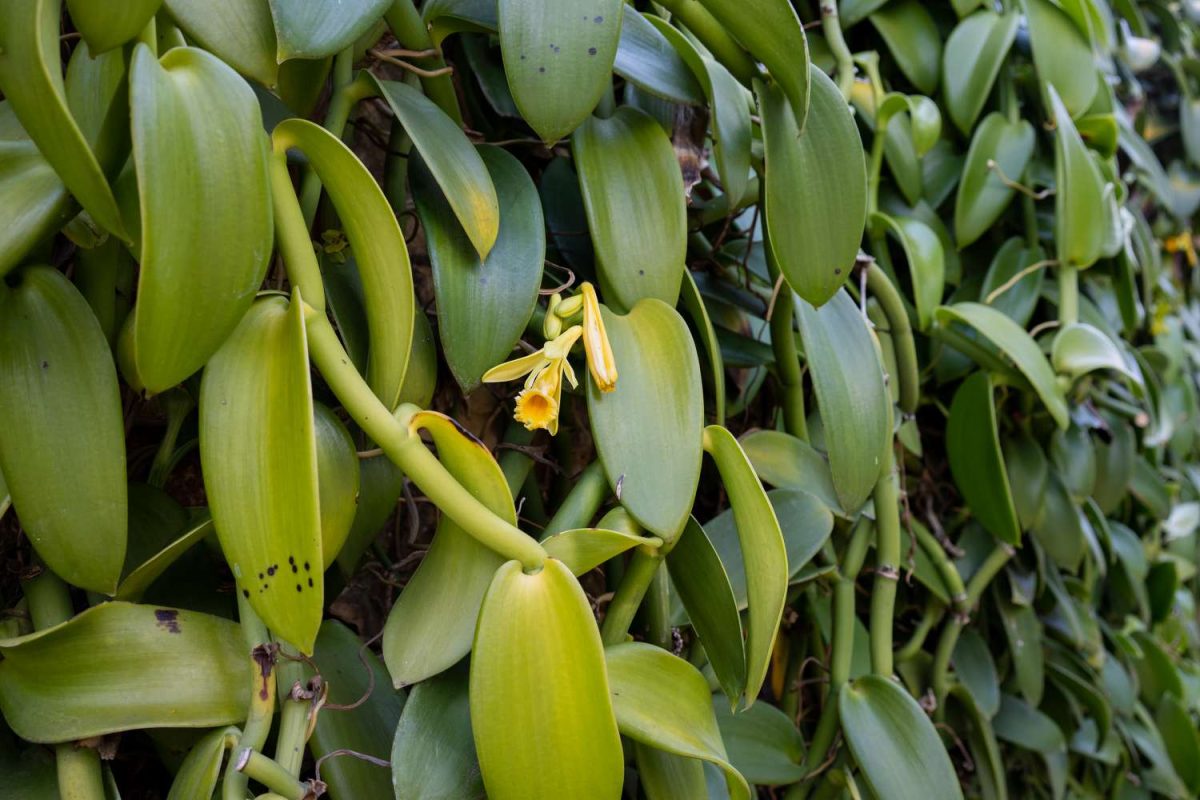
Vanilla Bean Orchid. Credit: The Spruce /Phoebe Cheong
But wait, there’s more! Natural vanilla is a whole different ball game. You’ve probably seen those black vanilla pods in stores. Well, they come from a specific type of orchid that requires hand-pollination. After the flowering process, farmers must carefully hand-pick, dry, and ferment the pods, which can take a lot of time and effort. No wonder natural vanilla is highly prized and considered a luxury ingredient.
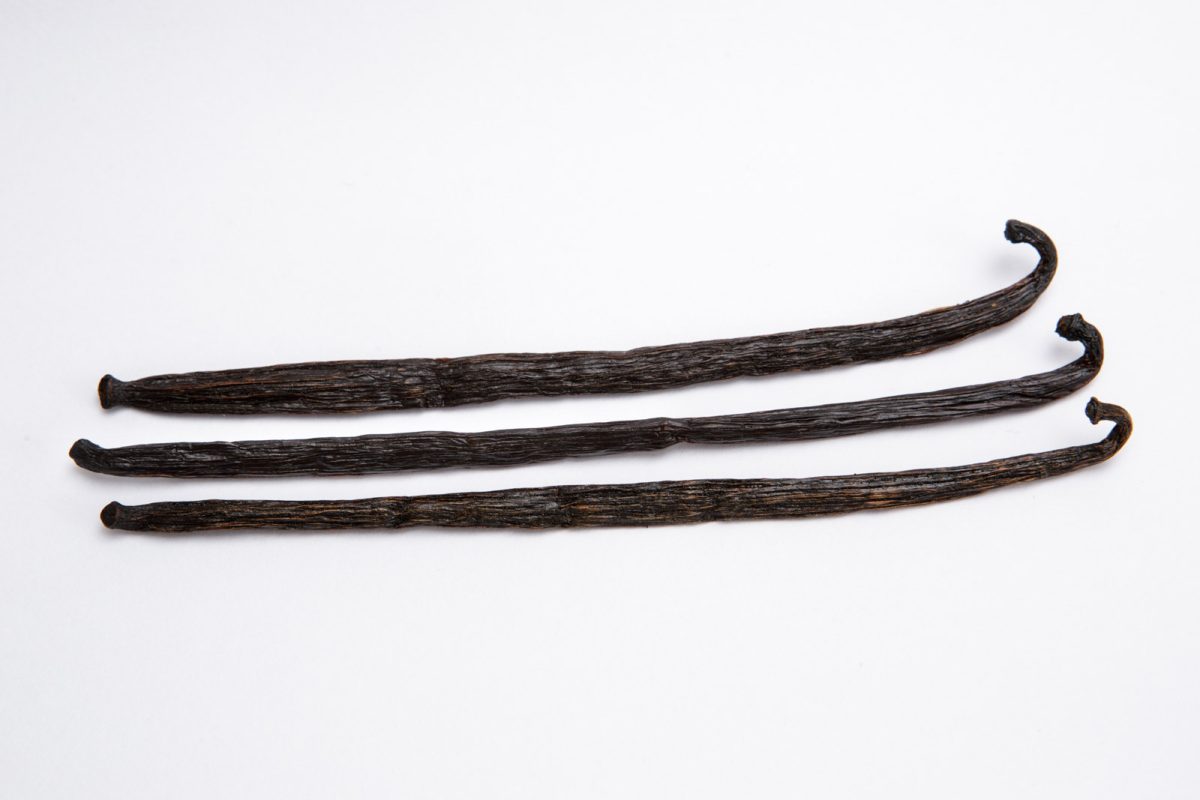
Gourmet Vanilla Pods. Credit: VanillaVaza
RZA Has Been A Vegan For Decades
Now that you know about the differen